HAN AND UYGHUR CULTURE_ A LIVING TESTIMONY
Traversing the North-South axis, from the Land of the Han to the distant homeland of the Uyghurs
Travel, Documentary & Fine-Art Photography by Fioreciela Apanomeritaki
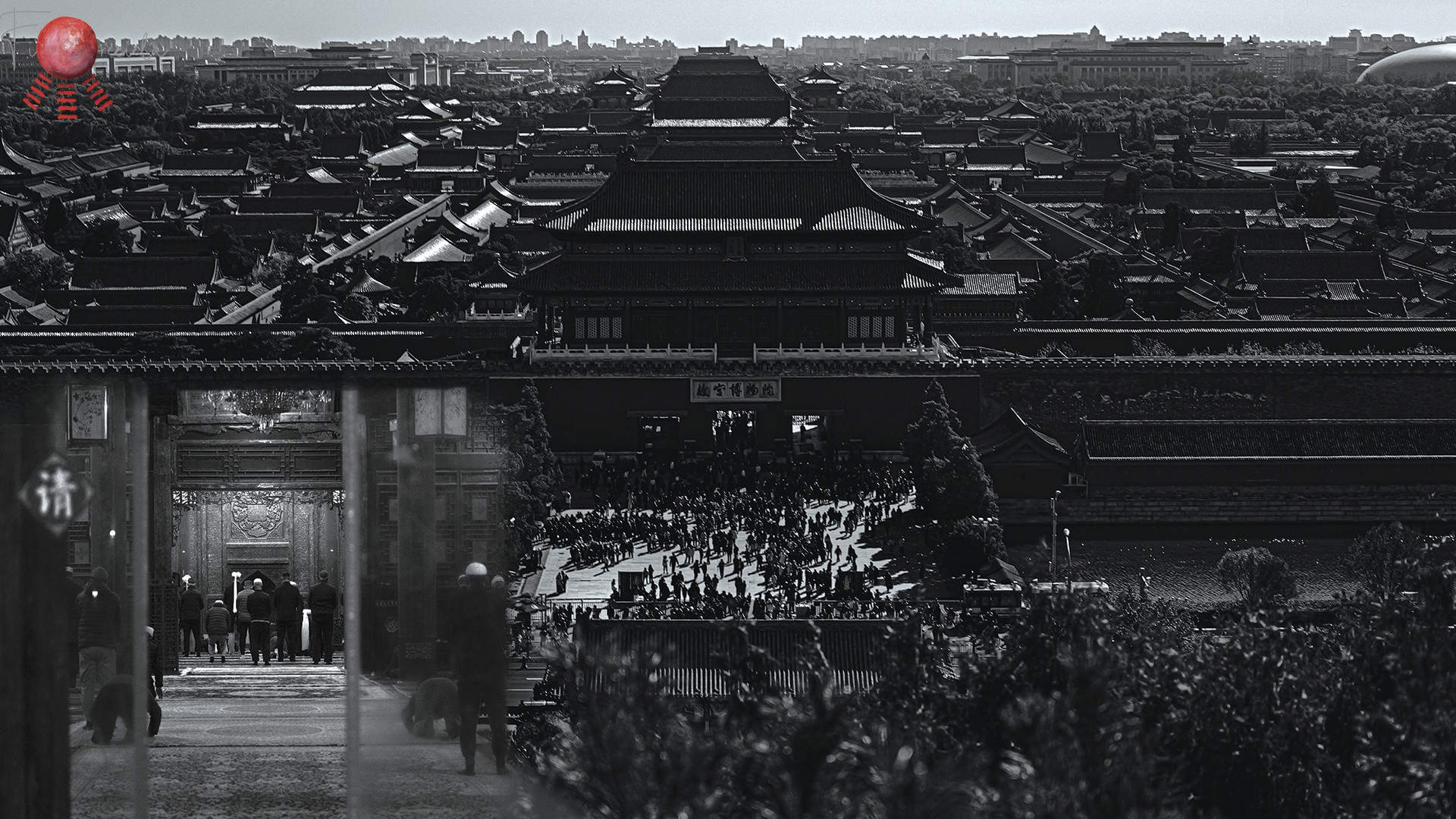
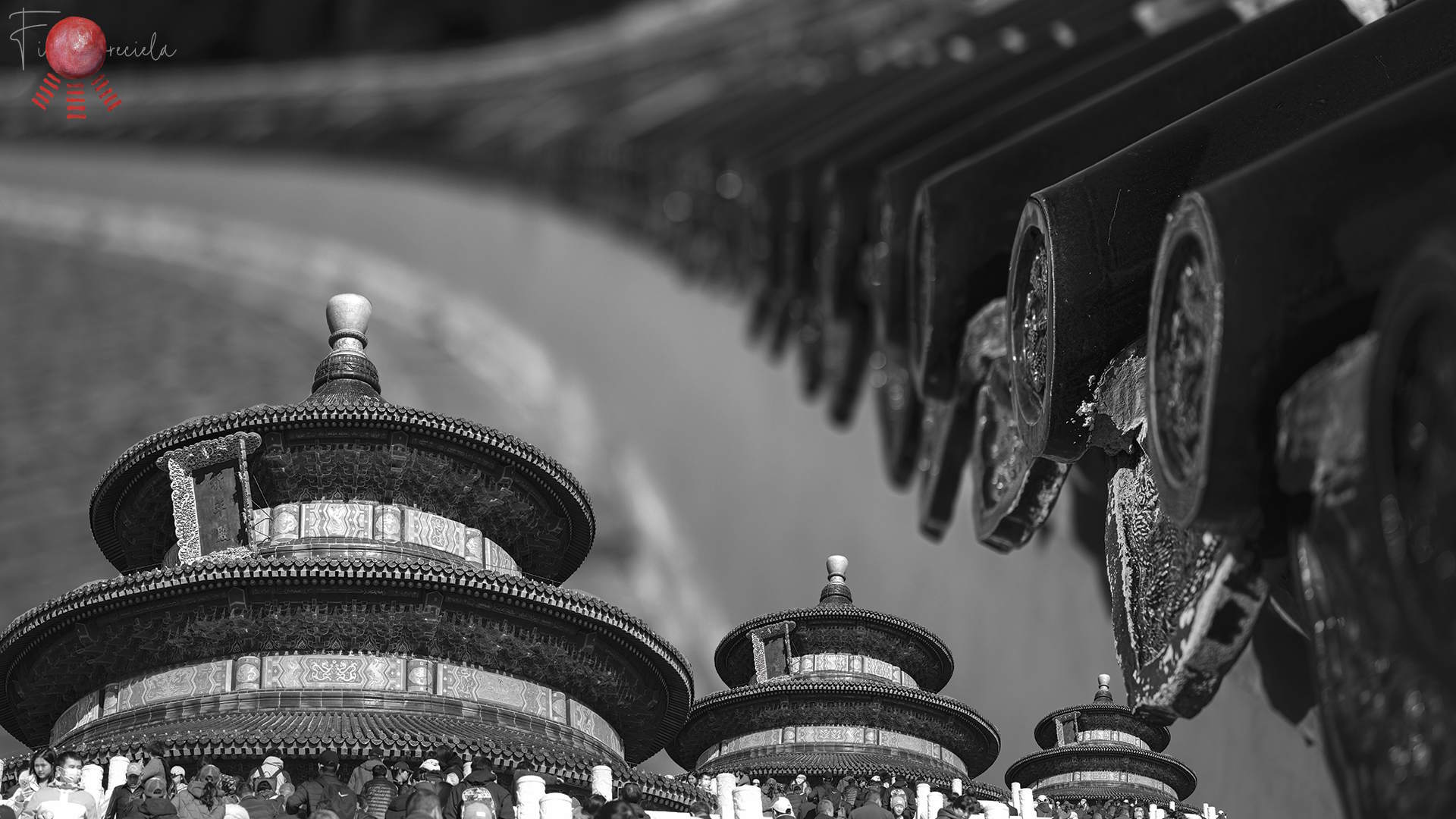
Following the ancient pathways of the Silk Road, through historic passages, vast landscapes and silent deserts, this journey begins in the heart of Beijing, where the Forbidden City rises as an extraordinary testament to the depth of Chinese civilization.
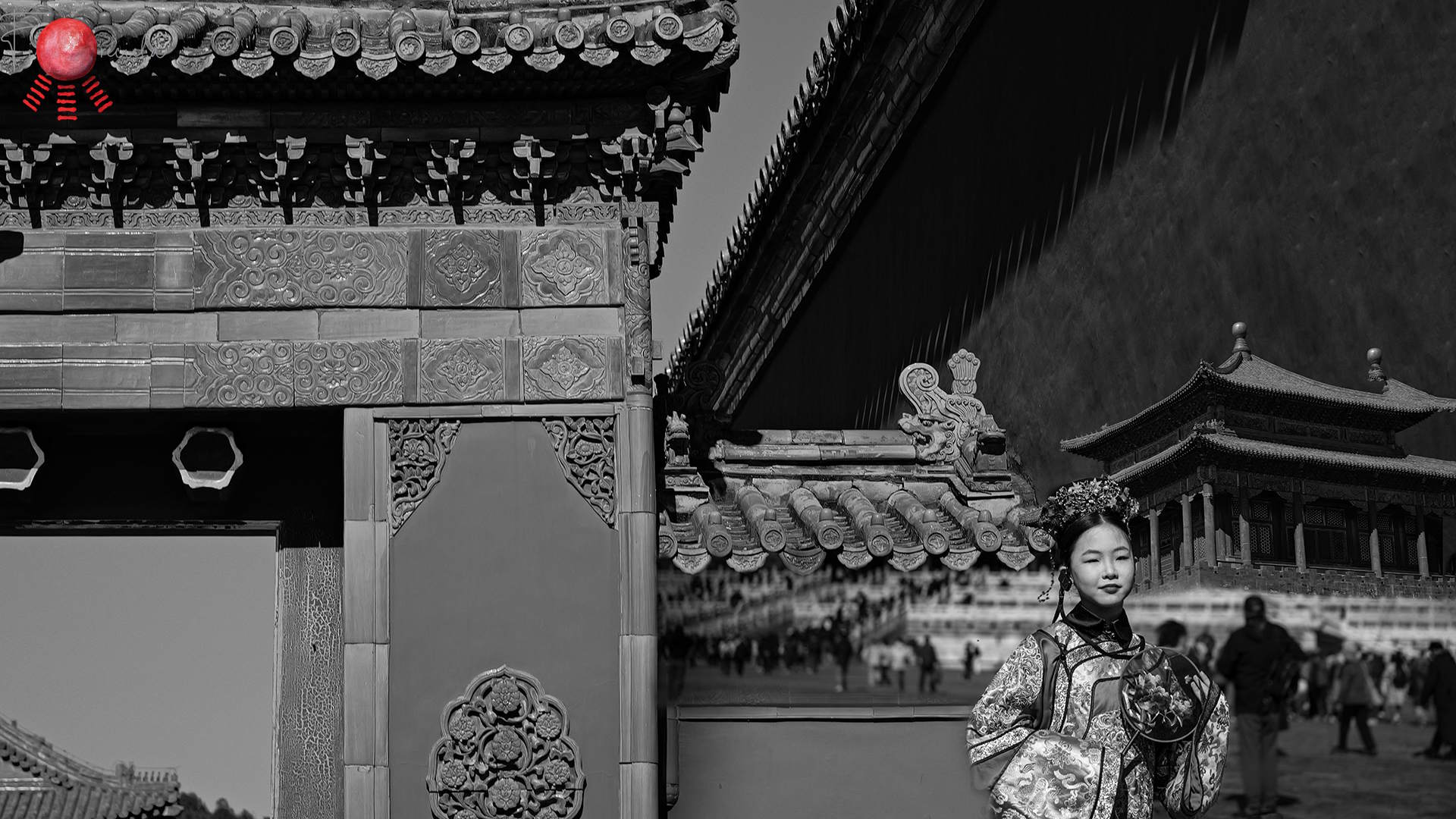
Steeped in history, boundless grandeur, Knowledge and mysticism, the Forbidden City unfolds through vast courtyards, ceremonial halls and imposing gates. The symbolic number of 9.9991/2 rooms, deeply rooted in the legend of the Forbidden City, together with its strict axial symmetry and absolute balance of design reveal a profound worldview in which architecture, power and celestial order existed in almost perfect harmony. For almost five centuries, 24 emperors of the Ming and Qing dynasties lived and ruled amidst hierarchy and magnificence.
Passing through magnificent gates, the remarkable architectural uniqueness and grandeur of this wooden city captivate the eye. Its countless handcrafted details, intricate roof ornaments and elaborate carved-wood decorations, the deep red of the walls, the gold and shades of blue compose a scene of unparalleled beauty. Inside the imperial halls, elaborate murals portray with remarkable precision, stories, cultural traditions and glimpses of everyday life from another era. Together, these elements compose a world rich in symbolism, where art, architecture and history seem to coexist in timeless harmony. Here, unspeakable grandeur is enveloped by profound silence. Every roof, every roof ornament, every unique carved-wood detail, every color continues to carry the distant echo of an empire whose worldview understood earthly order as inseparably connected to the celestial and eternal order of the universe.
From the ceremonial silence of the imperial halls, the journey gradually descends into the intimate world of Beijing’s historic hutongs. Magical scenes unfold; traditional homes are embraced by lush green courtyards which, just before sunrise, come alive with the harmonious, almost meditative movements of Tai Chi. Later, the narrow lanes awaken and, as the afternoon light softens, colorful handmade paper lanterns illuminate their corners. Children’s voices mingle with laughter and lively gatherings, filling the space with life. Here, friends meet, talk and simply enjoy one another’s company. Everywhere, the fragrance of tea lingers in the air and an invitation seems almost an unspoken rule of these beautiful traditional neighborhoods. A simple and authentic way of life quieter, more intimate and deeply human.
Wandering through these unique neighborhoods, hearing the word Xīlà-Greece brought a distinct wave of enthusiasm to the already warm atmosphere, immediately creating a sense of familiarity and joy. Invitations for tea, generous sharing of knowledge and moments of Tai Chi, together with a heartfelt openness to connection, offered a distinctive window into their everyday lives.
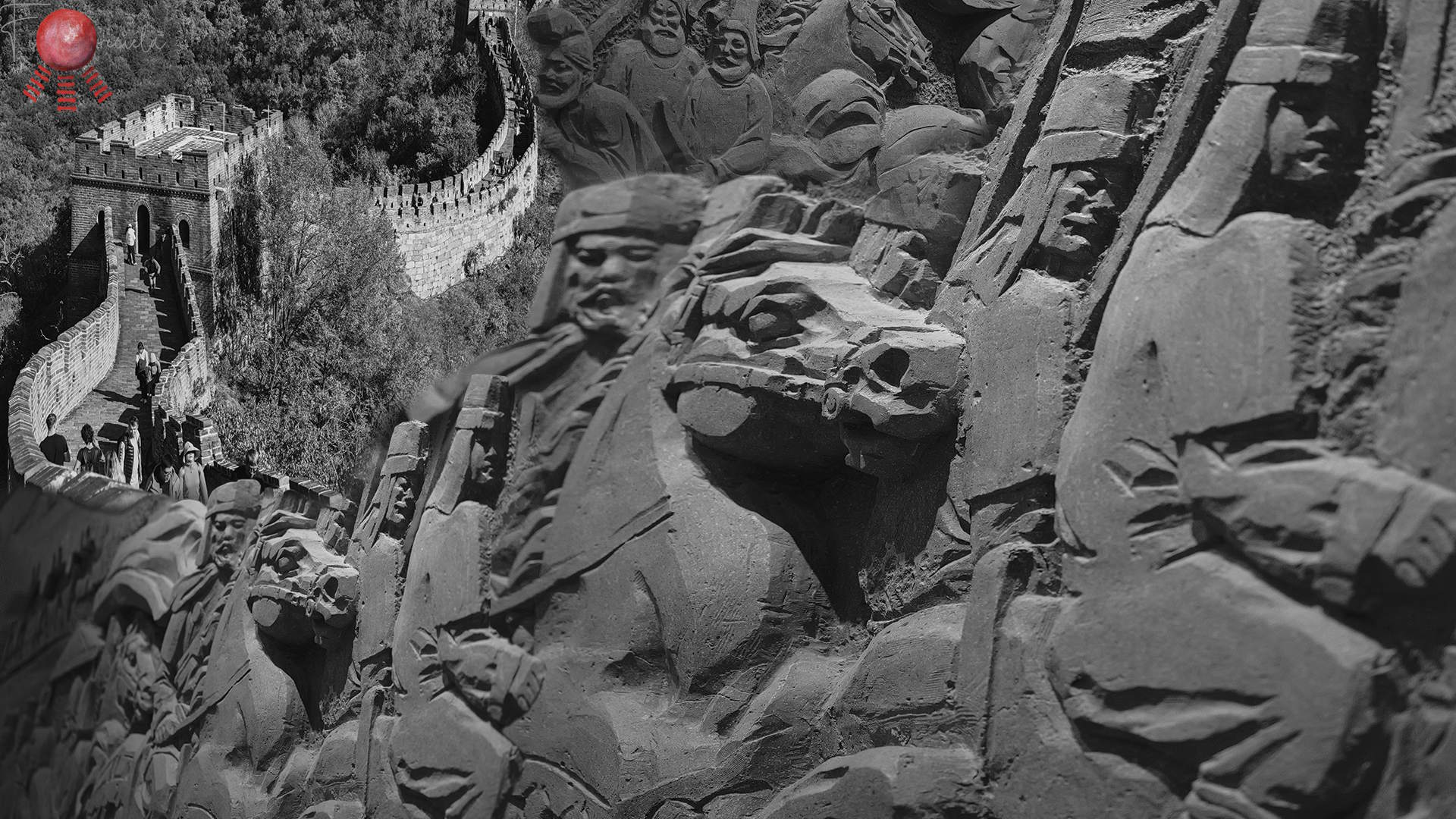
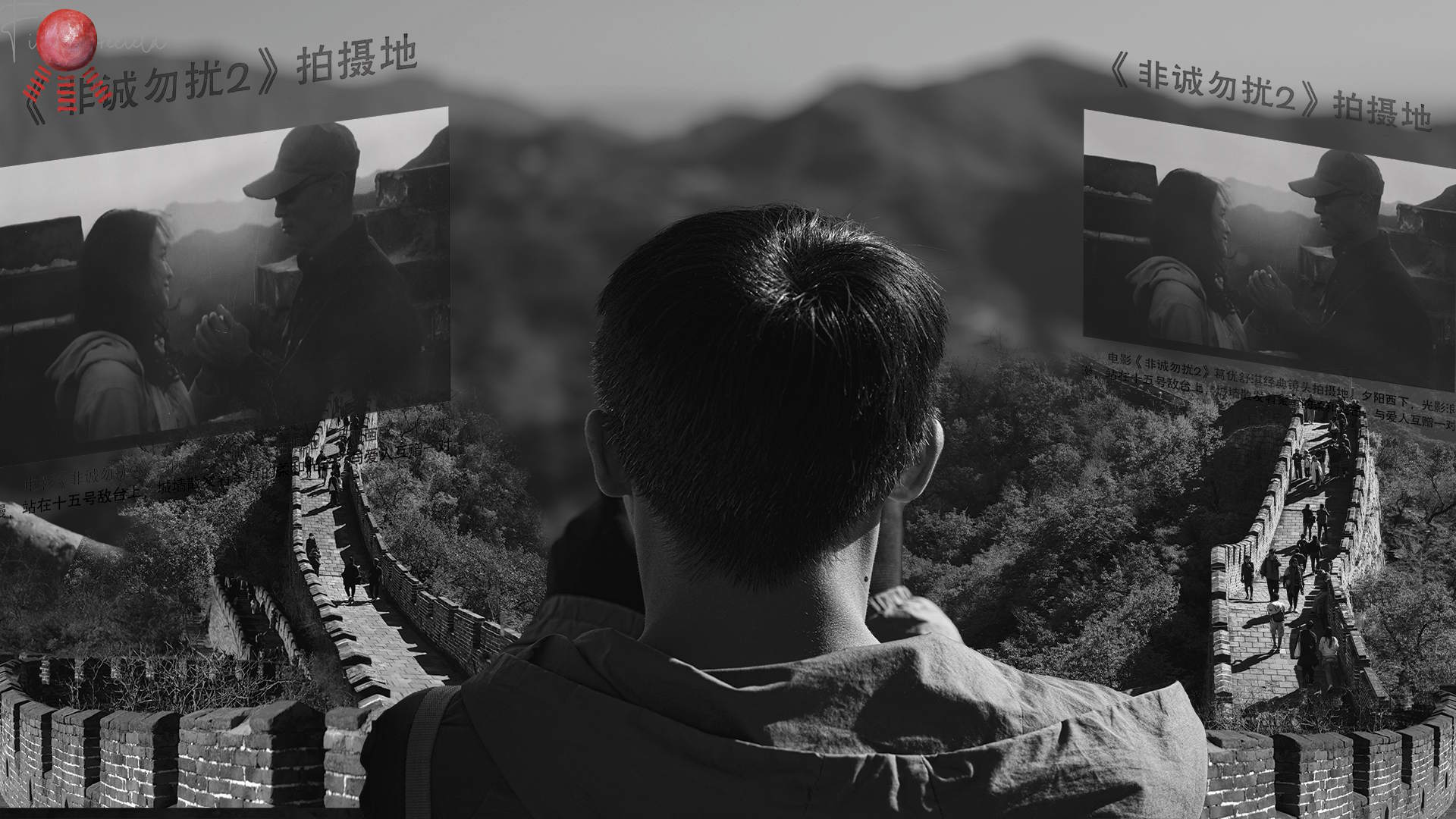
Beyond Beijing, the watchtowers of the Great Wall emerge along the mountain ridges. The Wall of the Ten Thousand Li stretches across the landscape for more than 20.000 kilometers, a monumental testimony to human endurance.
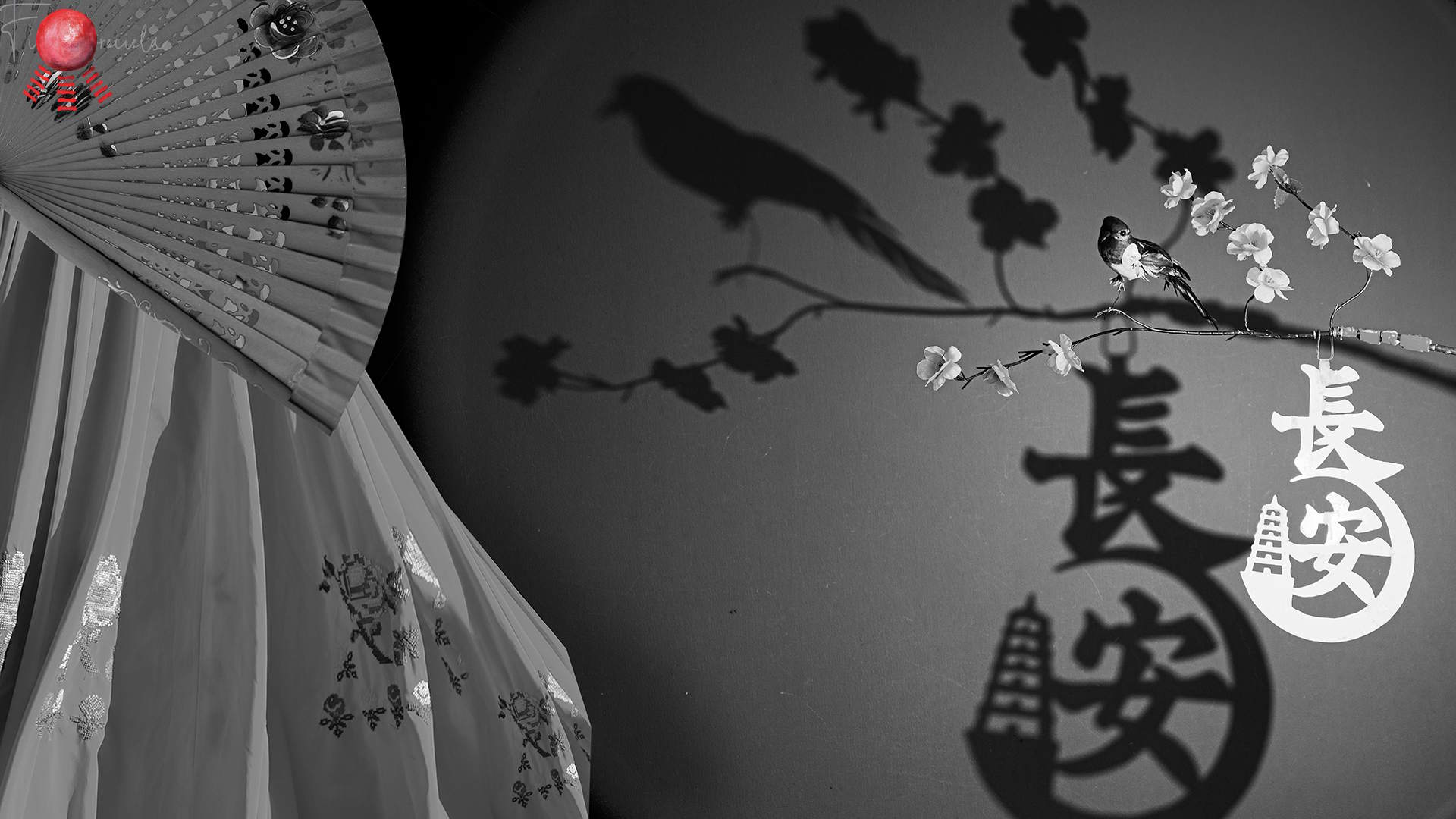
In Xi’an, thousands of terracotta warriors stand in silent formation, accompanying Qin Shi Huang on his passage towards immortality. Each figure, unique in face and expression, becomes a mirror of an empire and of the enduring human desire to transcend the limits of mortality and leave behind a sense of continuity beyond death.
Further west, the vast silence of the Taklamakan Desert opens another chapter of the journey. Around Dunhuang, caves and cliffs preserve Buddhist murals, sculptures and scriptures that bear witness to centuries of devotion and cultural exchange. Along these ancient routes travelled not only merchants and precious goods, but also faith, knowledge, languages and ideas: streams of civilization moving quietly across the desert.
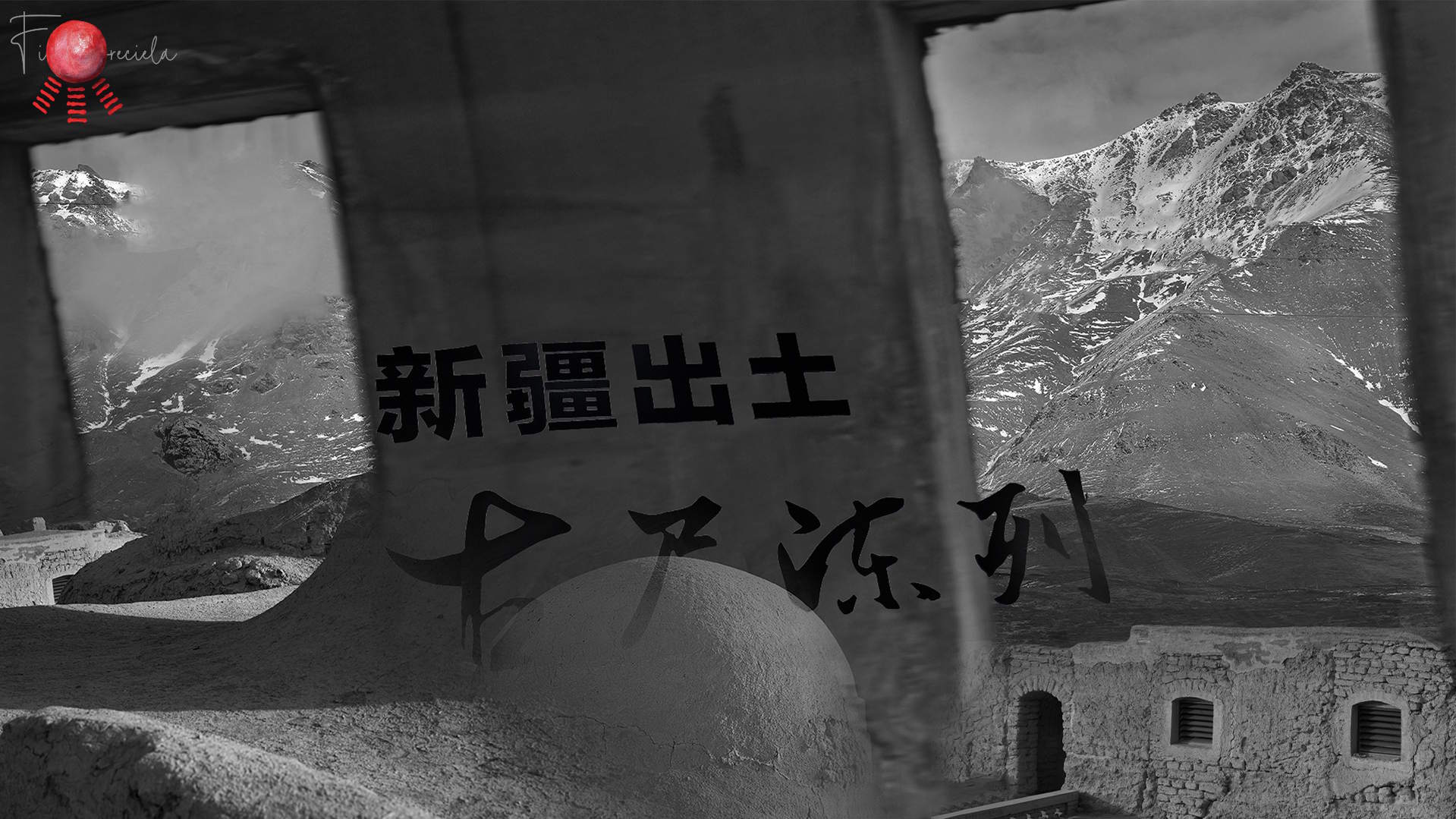
Thousands of kilometers further west, the Xinjiang Uyghur Autonomous Region reveals another cultural world. In Urumqi, the history of the Silk Road seems to rise from the depths of time. The naturally preserved mummies of the Tarim Basin, manuscripts and ancient artifacts recall a land crossed by caravans, travelers and monks. Here, Islamic presence is deeply woven into everyday life, while mosques and sacred mausoleums preserve a quiet continuity of faith and tradition.
And somewhere here, at the farthest reaches of this journey, the narrative naturally falls into silence. For the wisdom that emerges from these encounters and knowledge gained through direct experience, cannot truly be contained in words. They become vision, sensation and memory; they become images of faces, places and landscapes that remain beyond description and continue to reveal, quietly, the essence of what was encountered.
And perhaps above all, this knowledge has the power to challenge prejudices and misconceptions that circulate within the global narrative, revealing through direct experience a richer, deeper and more nuanced reality of this extraordinary country. A journey that began as a passage through scenic landscape transformed into a journey of knowledge and experience that broadens and shifts the way one perceives the world and its complex realities.